
One of our favourite signs that Christmas is actually coming in Oslo isn't the lights or the market stalls. It's the day the beer shelves change. Suddenly, bottles dressed in snowflakes and suspiciously cheerful reindeer elbow the ordinary lagers aside. Juleøl season has arrived.
Juleøl simply means Christmas beer. But in Norway, it's much more than a festive label. It's a tradition going back over a thousand years, to a time when Vikings raised their drinking horns to the Norse gods. And here's the particularly Norwegian part: for a while, brewing Christmas beer wasn't just a tradition. It was the law.
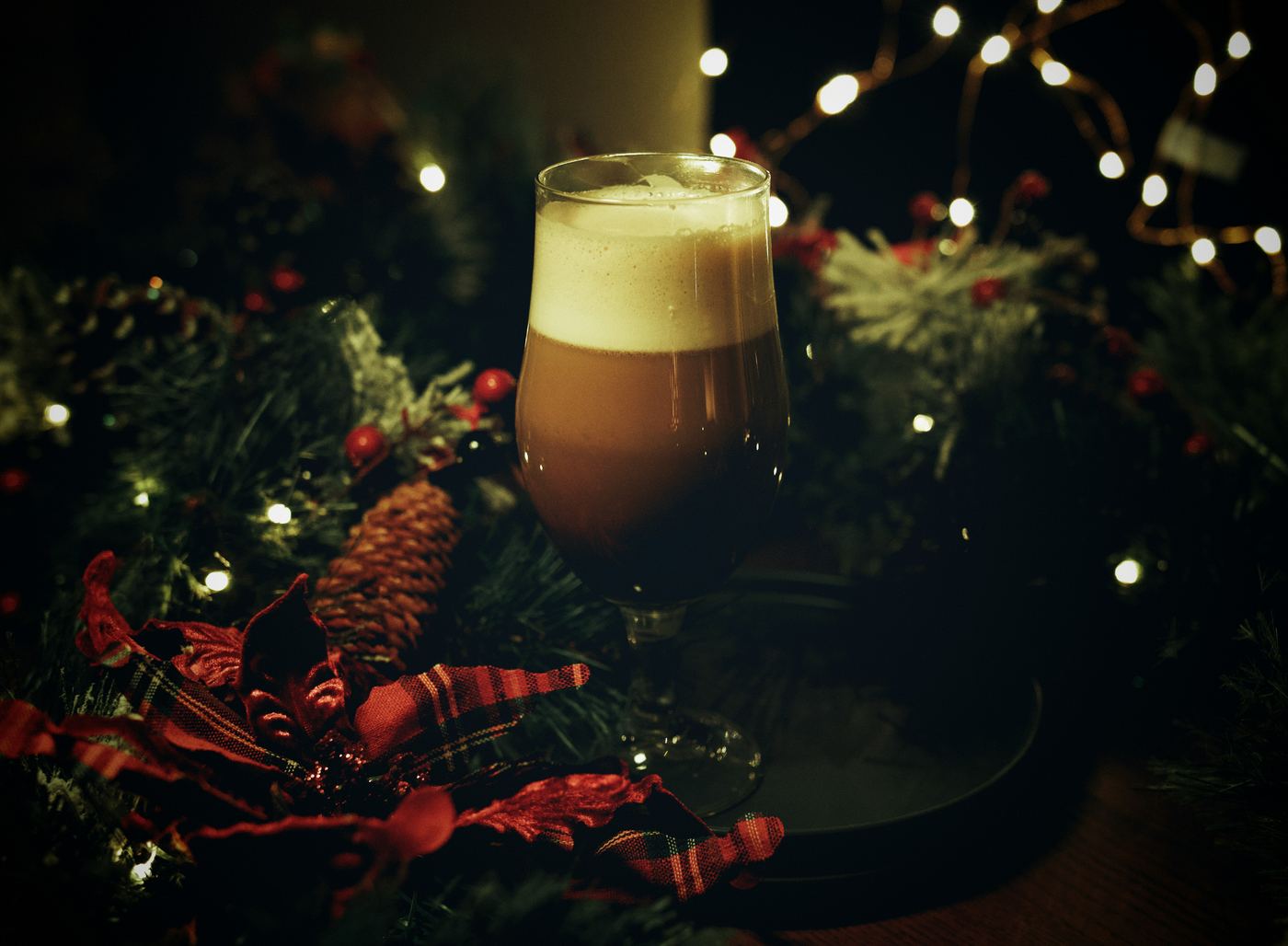
Before Santa, There Was Odin
Long before Christmas trees and the annual struggle to find a decent present for your father-in-law, Norwegians celebrated jól, the old Norse midwinter festival. There were feasts, gatherings and, unsurprisingly, plenty of drinking. Horns were raised to Odin, Thor and Freyr, hoping for peace, prosperity and a good harvest in the year ahead. Drinking together had real religious and social weight. Although we suspect the neighbours enjoyed it too.
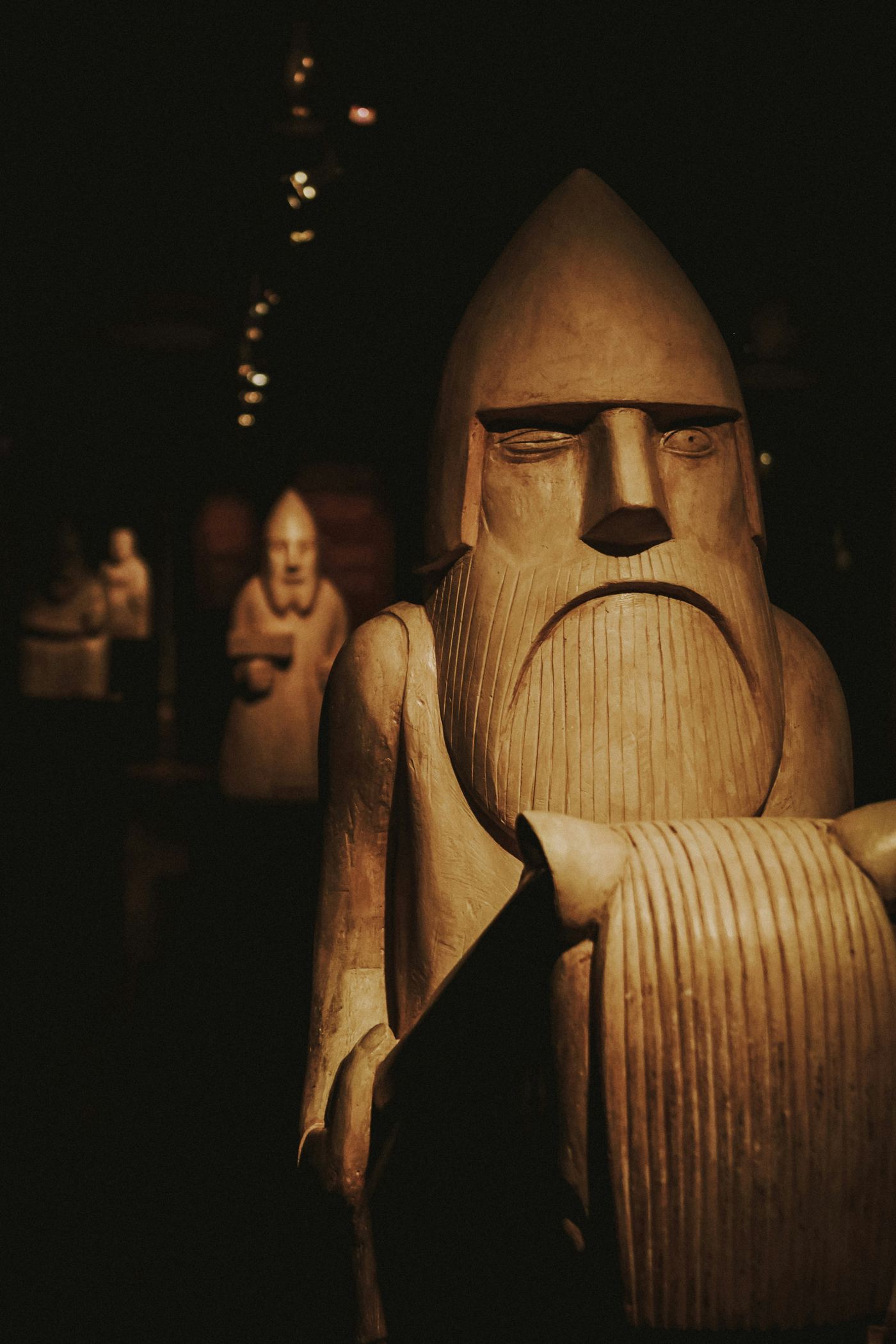
One of the oldest written references to the Norse midwinter celebration, a poem from around the year 900, uses an expression that translates roughly as "drinking Yule". Not celebrating Yule. Not preparing for Yule. Drinking it. That tells you something about how central beer was to the occasion.
When Christmas Beer Was the Law
As Christianity spread through Norway, the gods being toasted changed, but the beer stayed. Under the medieval Gulating Law, one of Norway's oldest law codes, households were expected to brew beer for Christmas in honour of Christ and the Virgin Mary. And the authorities were not relaxed about skipping it.
Fail to brew, pay a fine. Fail three years in a row, and under the old laws you could lose your property and be banished from the country. Imagine explaining that one today. "Why did you leave Norway?" "Didn't make enough Christmas beer."
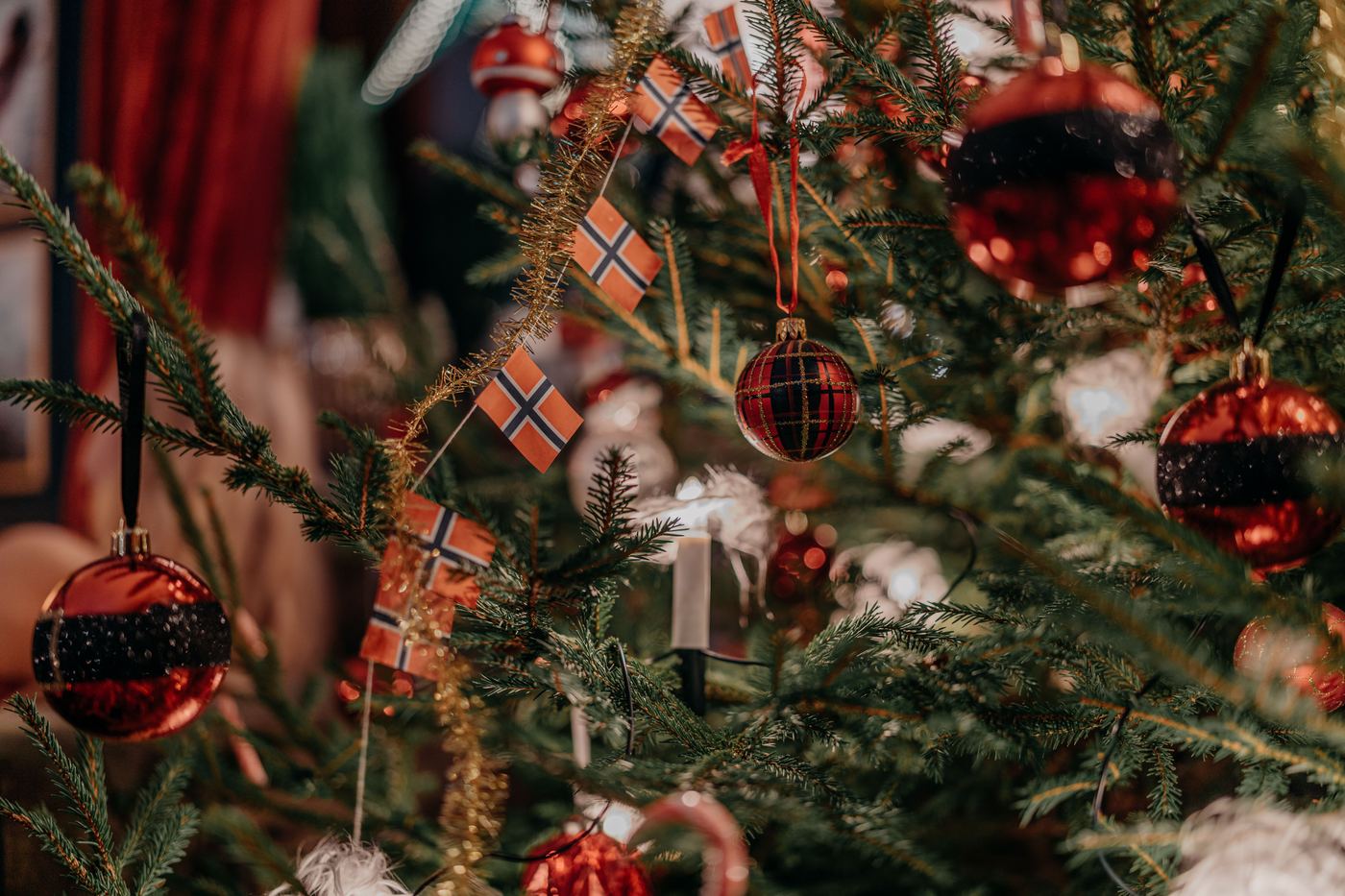
Behind the entertaining detail is something real, though: brewing was part of community life, and the beer was something to share. That part of the tradition has survived remarkably well.
What Did Viking Christmas Beer Actually Taste Like?
Probably nothing like the clear, consistent lagers in today's supermarkets. Early Norwegian beer was brewed from local barley, with techniques that varied farm by farm. In parts of western Norway, brewers used juniper branches in the process, and some traditions dried the malt over wood fires, giving the beer a smoky character.

And then there's kveik, the traditional Norwegian farmhouse yeast that modern craft brewers around the world have fallen in love with. Kveik ferments remarkably fast, at temperatures that would trouble conventional yeasts, and for generations farming families kept their own cultures alive, passing them down batch after batch. Norwegian beer may not be as internationally famous as Belgian or German beer, but it has stories of its own.
From Farmhouse Brewing to Every Supermarket
For centuries, Christmas beer was homebrewed. As commercial breweries grew through the 19th century, juleøl became a proper seasonal product, and the dark, malty, fuller-bodied Christmas lager we know today took over. Richer and stronger than everyday beer, it was built for a purpose: Norwegian Christmas food. There's ribbe, crispy pork belly. Pinnekjøtt, salted lamb ribs. Sausages, potatoes, sauces, and enough side dishes to make you seriously consider a walk afterwards. A malty, fuller-bodied beer works beautifully against all of it.
Today the season is a genuine obsession. Big producers bring back their classics, craft breweries experiment, and Norwegians have opinions. Strong opinions. Reviews, tastings, rankings, and friendly arguments about which juleøl is best this year. You'll even find Christmas IPAs and alcohol-free versions.
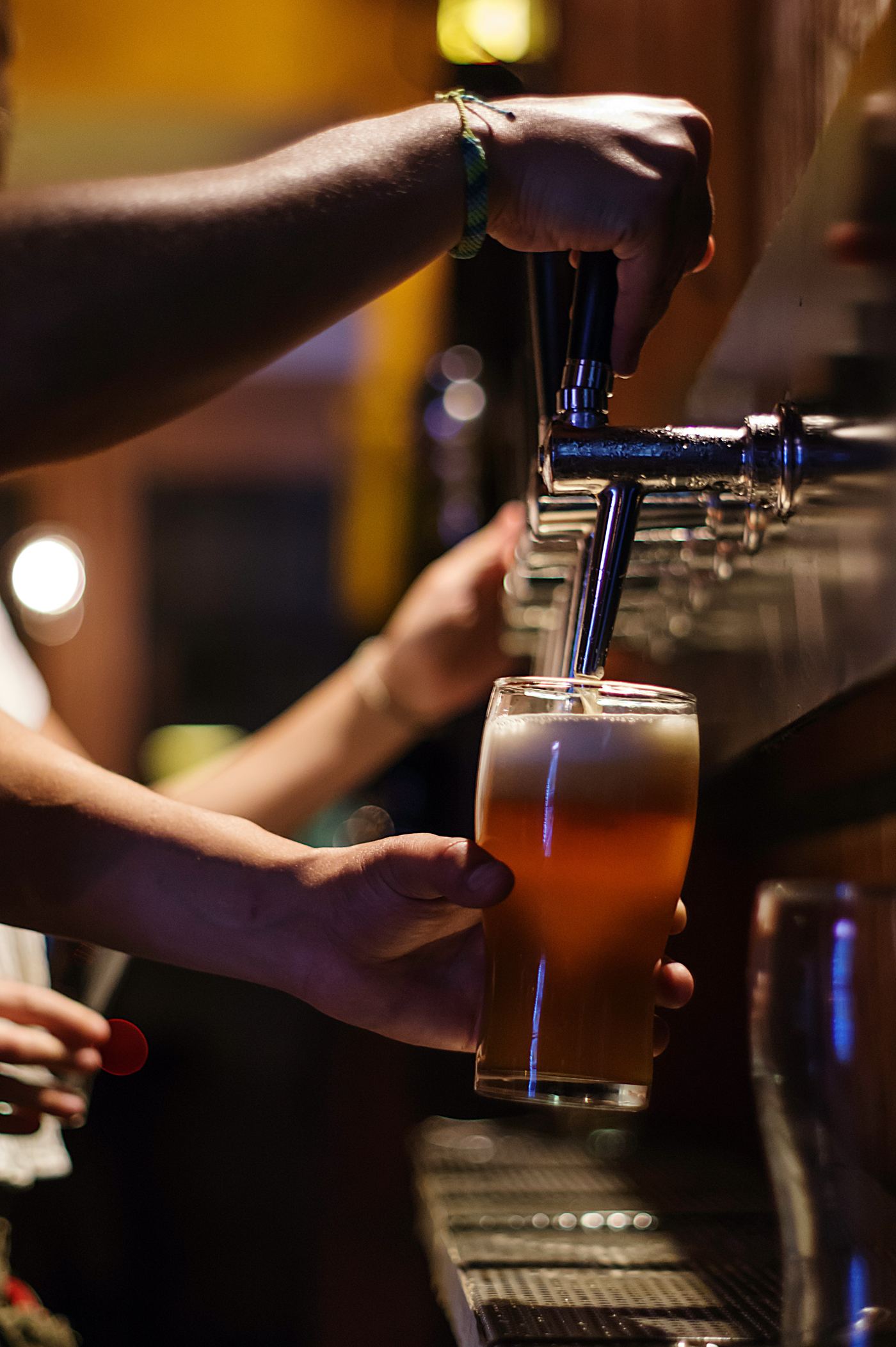
One practical tip if you're visiting: regular Norwegian supermarkets can only sell beer up to 4.7% alcohol. The stronger, often more interesting bottles live at Vinmonopolet, the state-owned wine and spirits shop. And remember that sales hours are restricted, so plan ahead, especially around Christmas.
And Then There's Julebrus…
Because apparently one seasonal drink wasn't enough. Julebrus is Norwegian Christmas soda, red or brown depending on the producer and region, and the debate over which colour is the only proper one returns every single year without ever being settled. It's a wonderfully Norwegian tradition, and unlike juleøl, everyone can join in, kids included.

A Tradition Worth Raising a Glass To
The Vikings drank to their gods. Medieval Norwegians were legally required to brew. Later generations made it part of the Christmas table. And today, people still look forward to juleøl every autumn. The recipes changed, but the idea didn't: Christmas is a time to gather, share food, raise a glass and enjoy each other's company.
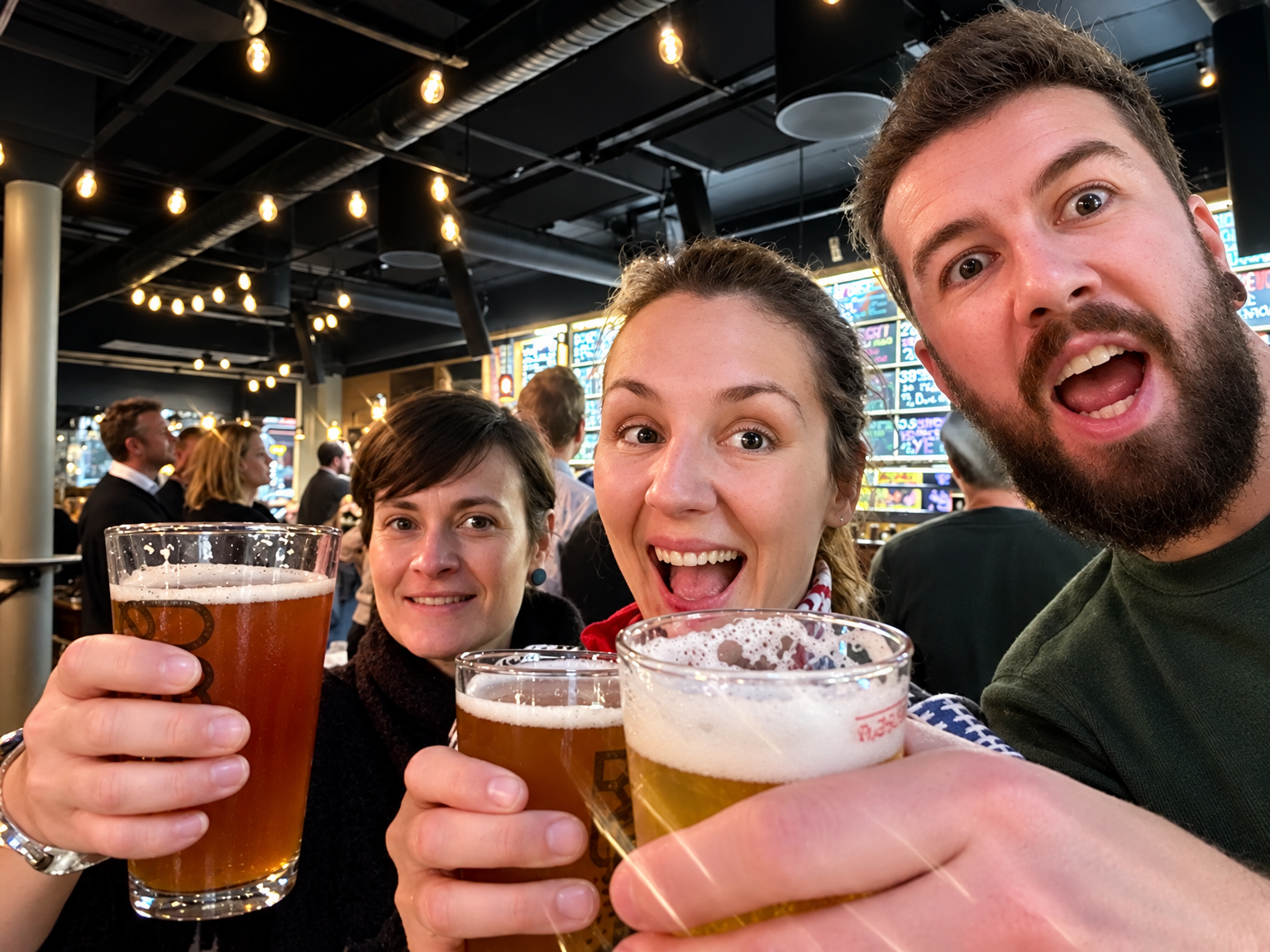
Oslo is a great place to do exactly that. The city's beer scene has grown into a lively mix of established breweries, craft beer bars and seasonal specials, and trying a Norwegian juleøl is one of the cosiest ways to taste local culture. You might find a new favourite. You might find it too sweet. You might end up in a friendly debate about which Christmas beer is best. All three are perfectly acceptable outcomes.
And when you raise your glass, remember the Norwegian tradition: look everyone in the eye and say skål. Some things never go out of style.
If you'd like the stories along with the beers, that's exactly what our Oslo Beer & Culture Walk is for. And if you're here in December, our Julefeiring Christmas Tour takes you straight into the season, while our guide to Norwegian Christmas food explains everything on the table this beer was born to go with.
Skål, and god jul from OsloWay!