Norway and the sea go together like bread and brunost. The Oslofjord is never more than a short walk away in Oslo, and Norwegians have been harvesting these cold, clean waters for over a thousand years. All that history leaves plenty of stories behind, and quite a few of them are genuinely surprising. Here are eleven of our favourite facts about Norwegian seafood, so you can impress your dinner companions the next time the fish soup arrives.
1. Salmon sushi was Norway’s idea
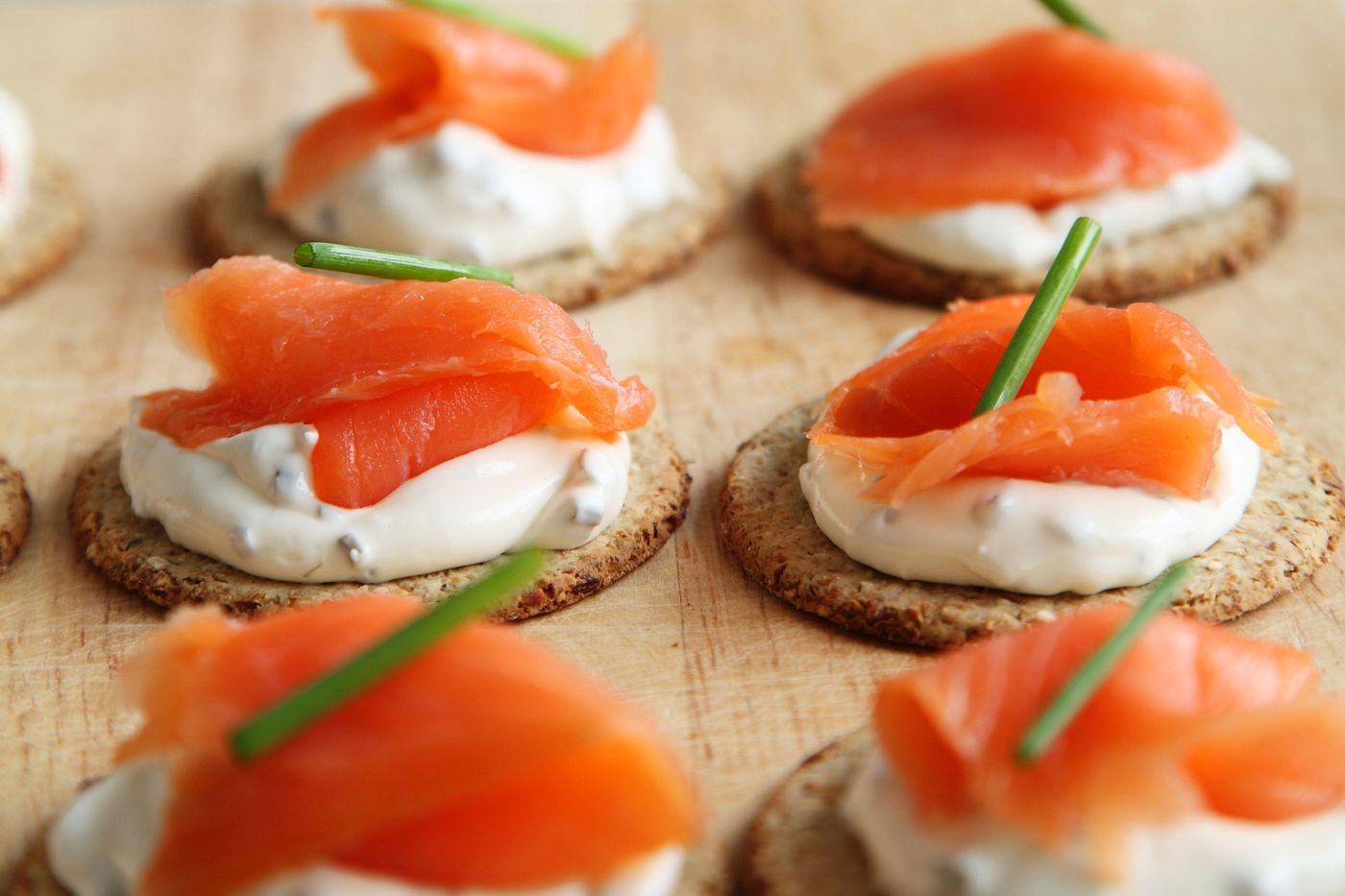
It sounds impossible, but it is true: until the 1980s, most Japanese sushi chefs would not touch raw salmon, because local salmon risked parasites. In 1986 Norway launched “Project Japan”, a determined campaign to sell Norwegian salmon for sushi. It took years of convincing, tasting events and patience, but it worked. The salmon sushi roll the whole world eats today was, in effect, invented by Norwegian exporters.
2. Norwegian salmon grows slowly on purpose
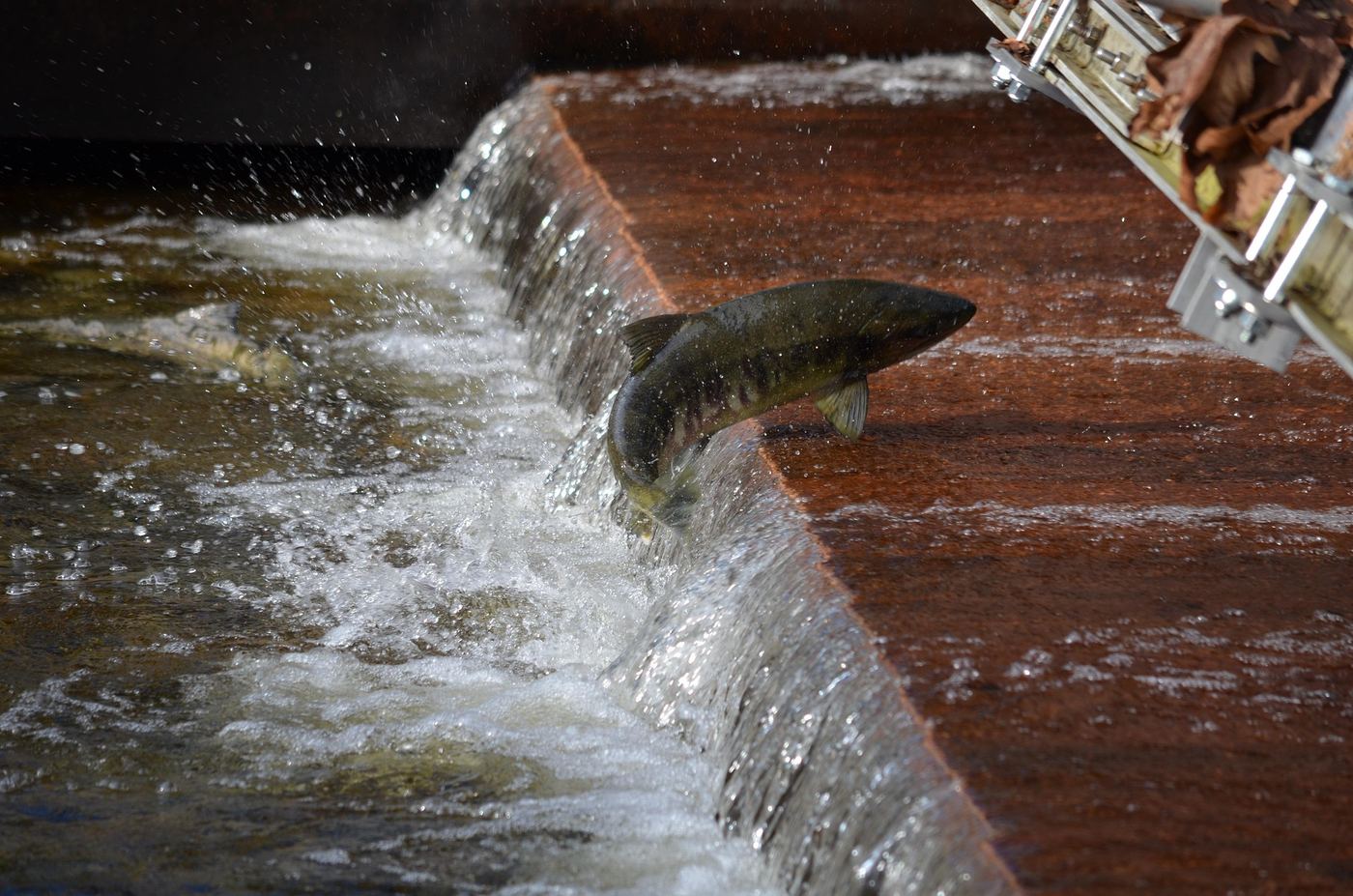
Norwegian waters are cold, and cold water means everything grows slowly. That is exactly the point: salmon that matures gradually in strong currents develops its famous firm texture and clean, delicate taste. Speed is the enemy of flavour, and the sea provides the patience.
3. Dried cod was once Viking currency
Long before oil, Norway’s black gold swam. In Viking times, dried cod was so valuable it was traded across Europe and, according to many accounts, used as a form of currency. A fish you could carry, store for years and pay with sounds almost too practical, but that is exactly why it worked.
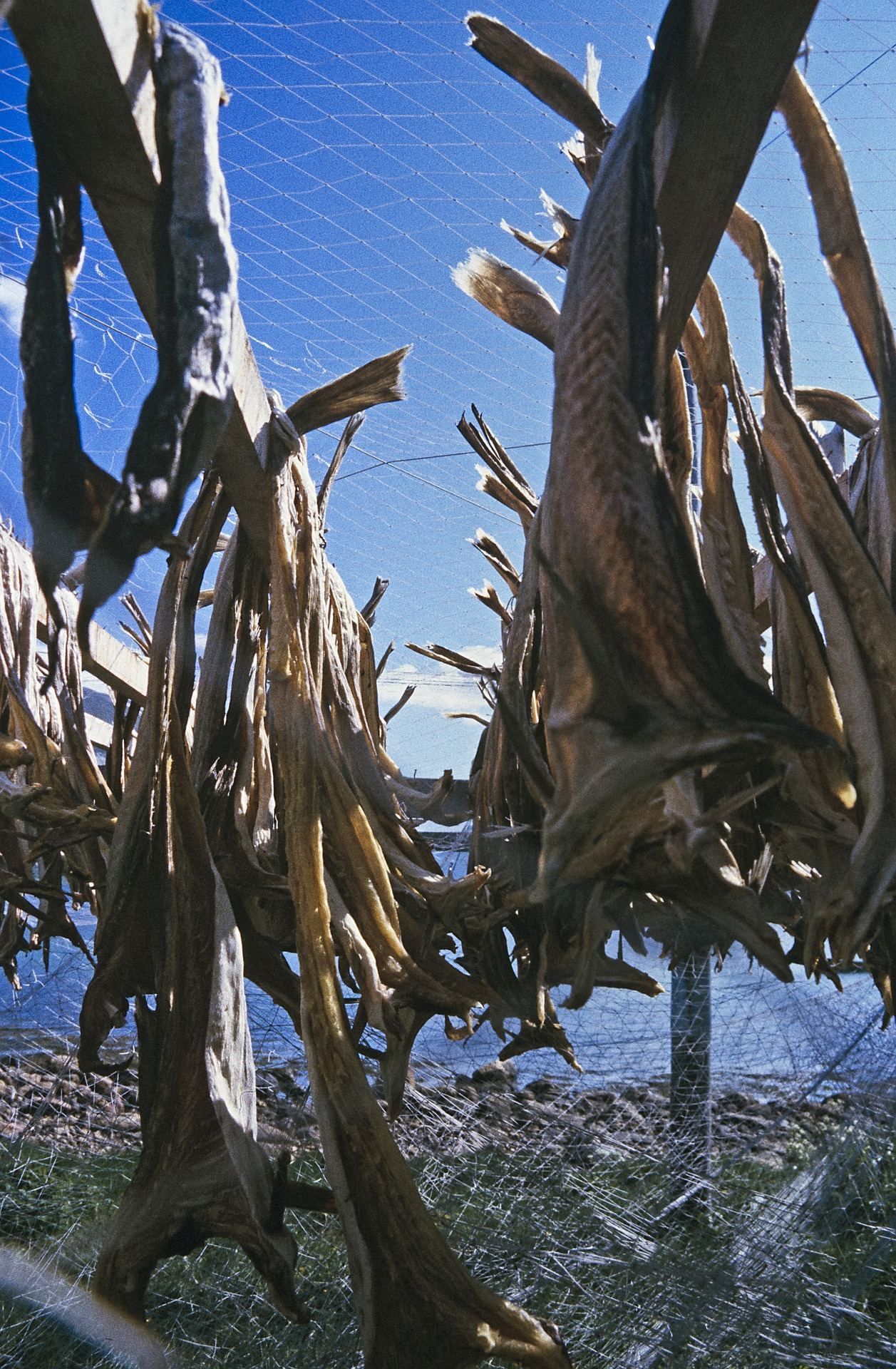
4. Stockfish is simply hung out to dry
Norway’s oldest export product needs no salt, no smoke and no freezer. Stockfish is unsalted cod hung on wooden racks in the fresh, cold coastal air for around three months, until it dries into something hard as a board. Properly stored, it keeps for years, which made it the perfect travel food and trading good of the Middle Ages.
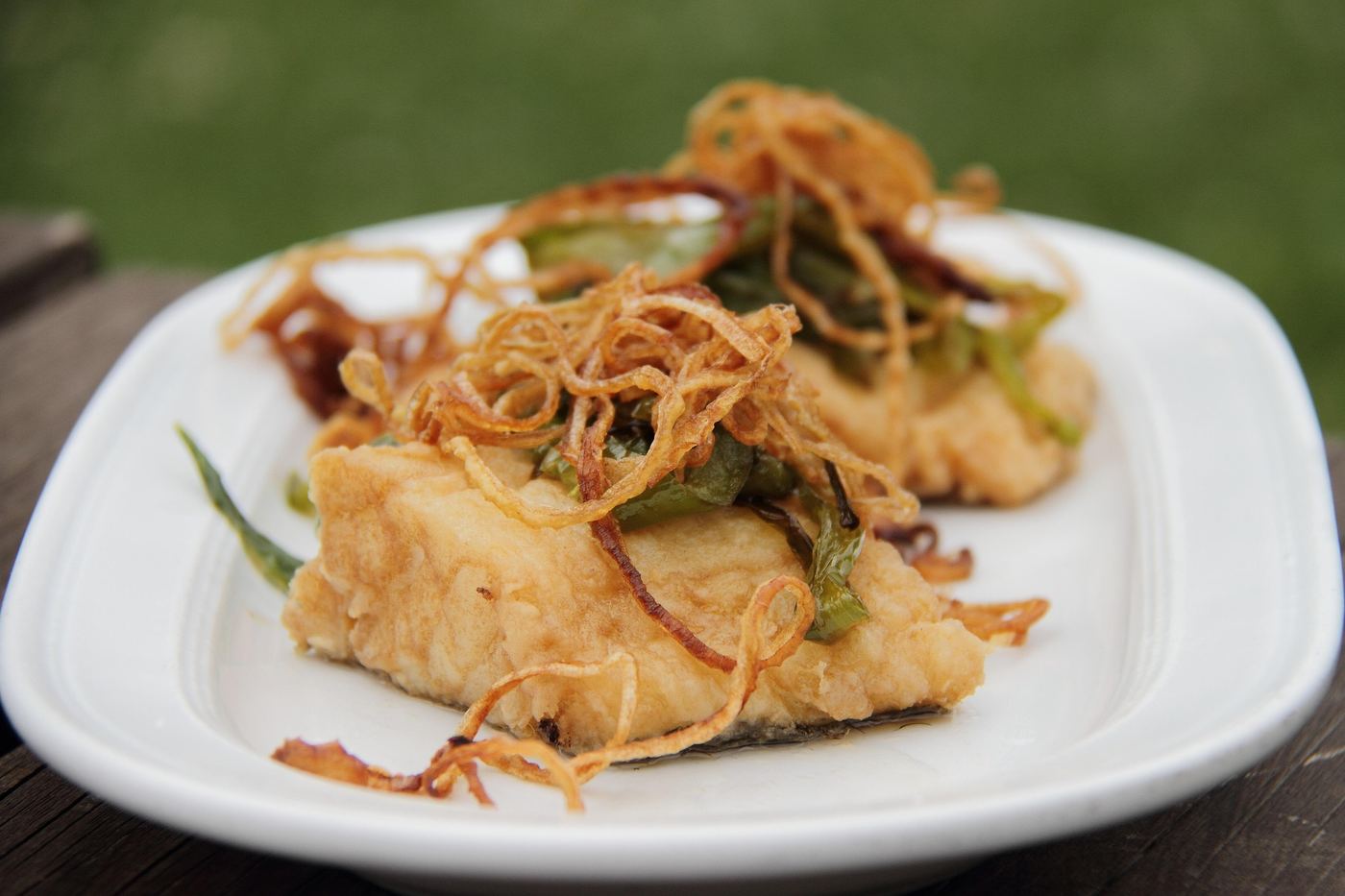
5. Bacalao put Norwegian cod on world menus
Salted and dried cod, known in Norway as klippfisk, was Norway’s first big export. It became bacalao in Portugal and Spain, baccalà in Italy, and a beloved stew of tomatoes, olives and potatoes everywhere it landed. Centuries later, some of the best bacalao outside the Mediterranean is still cooked in Norway, often from the same cod.
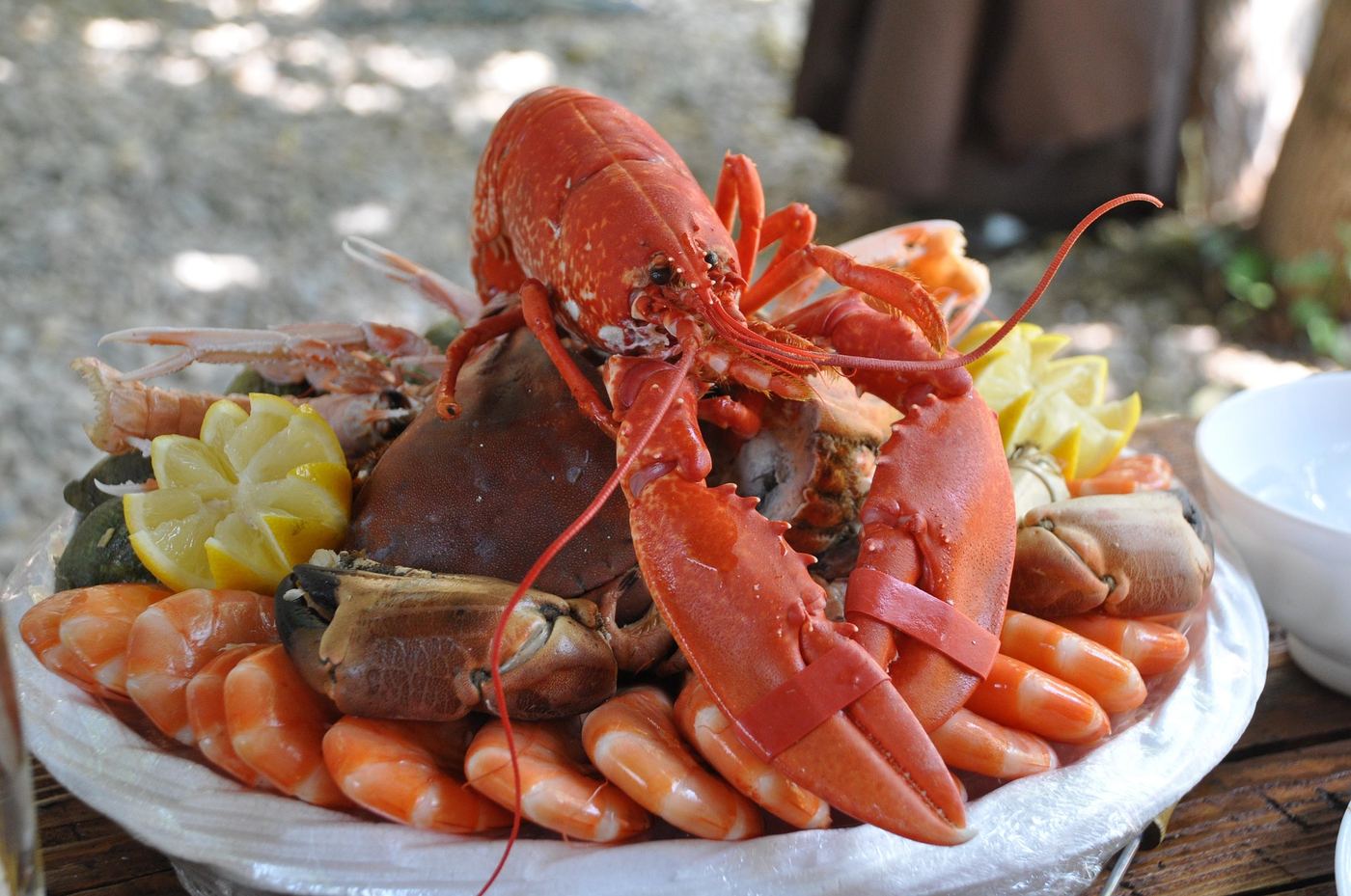
6. The king crab is an immigrant
Norway’s giant red king crabs are not exactly natives. The species was introduced into Russian waters in the 1960s and has since marched steadily west along the coast, arriving in Norwegian fjords. It can weigh up to 10 kilos, its legs span arm-lengths, and it happens to be one of the sweetest things you will ever pull out of a shell.
7. Norway feeds the world with seafood
With a population of barely five and a half million, Norway is one of the world’s largest seafood exporters, shipping fish to more than a hundred countries every single day. Somebody, somewhere, is eating Norwegian seafood at this very moment, and quite possibly for breakfast.
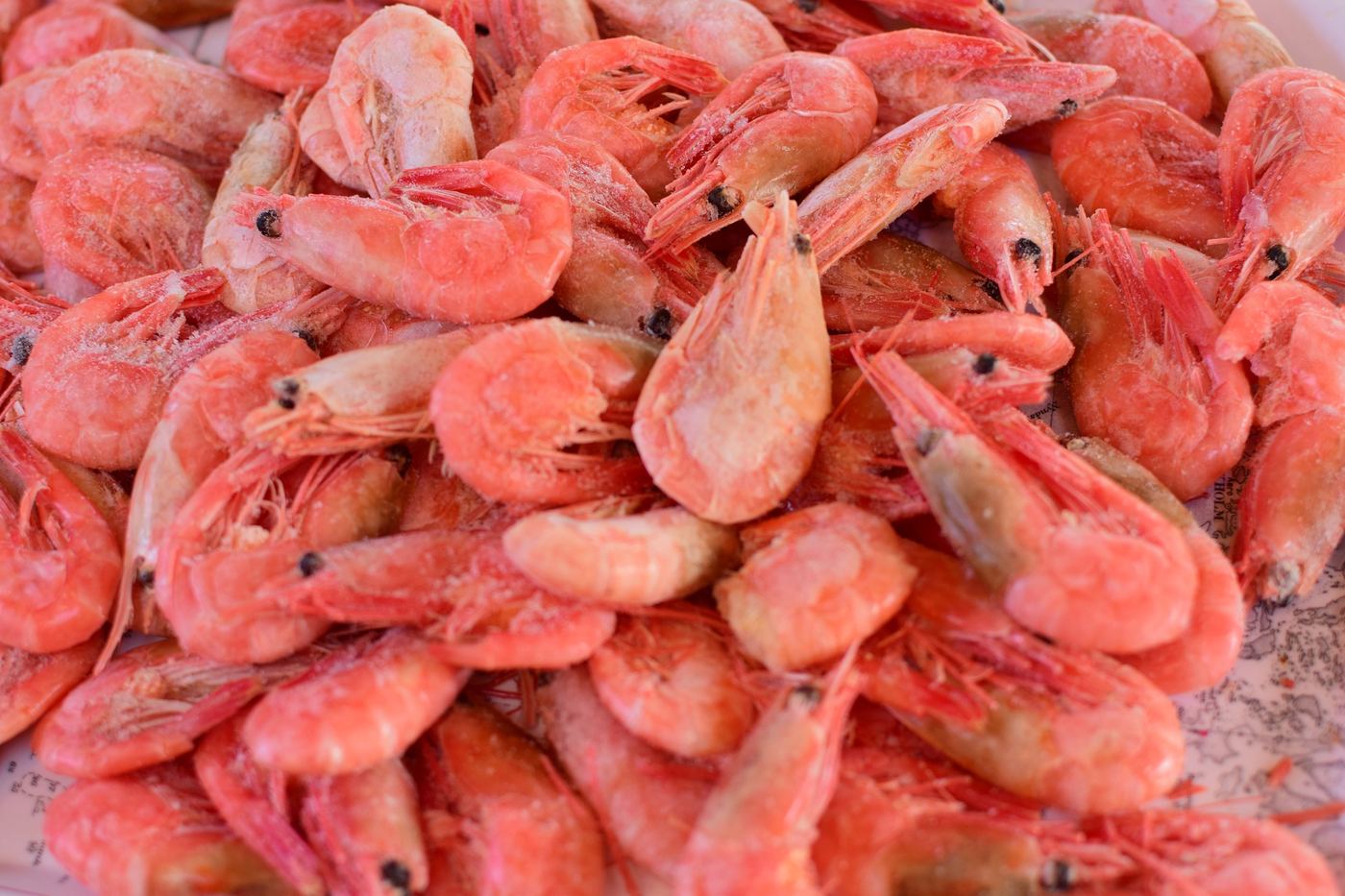
8. Shrimp are a peel-your-own affair
In Oslo, summer shrimp come by the kilo, straight from the quay, still with shells and roe on. Peeling them yourself at a harbourside table, with fresh bread, lemon and mayonnaise within reach, is practically a national sport. It is slow food in the most literal sense, and nobody minds.
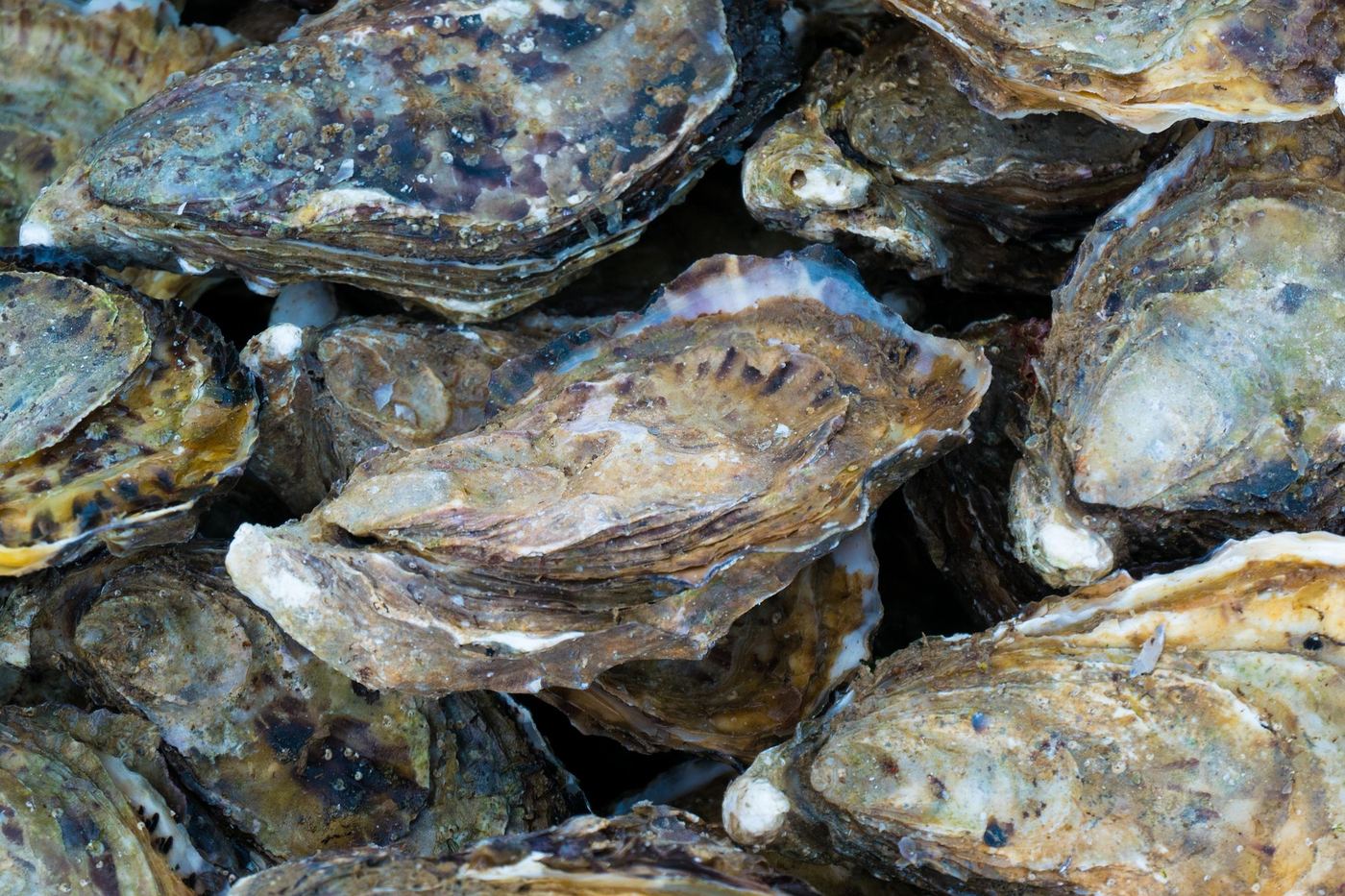
9. Oysters grow wild on the Norwegian coast
The European flat oyster is native to Norwegian waters, and along stretches of the coastline you can find oyster beds at low tide, no farm required. Cold water makes oysters plump and clean-tasting, which is why they appear on Oslo menus with a confidence that needs no lemon to justify it.
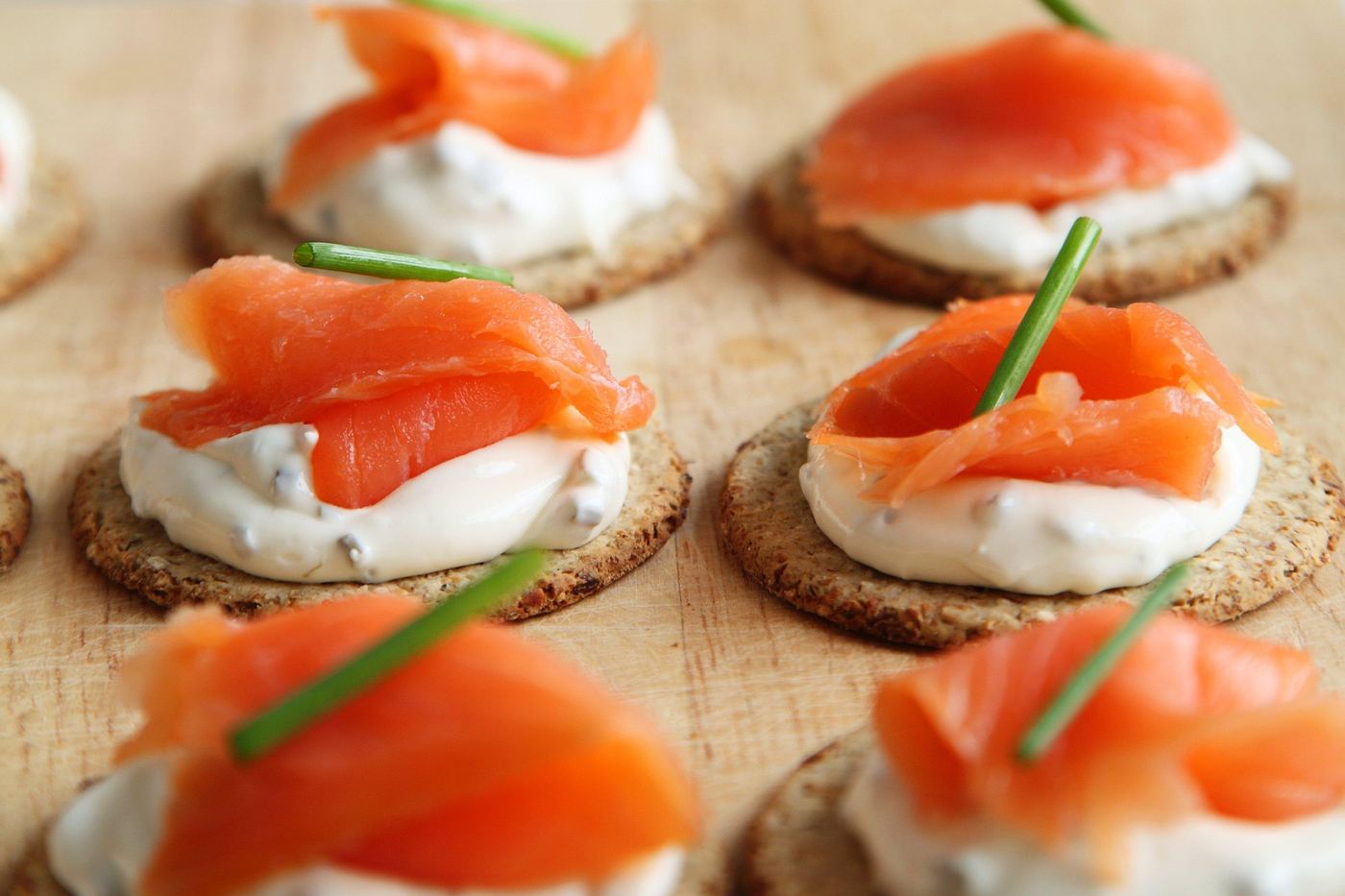
10. Fish for breakfast is completely normal
While much of the world saves fish for dinner, Norwegians happily eat it at 7 a.m. Smoked salmon, mackerel in tomato sauce and caviar squeezed straight from a tube all land on morning bread slices. Try it once on crispbread and you may find yourself packing the same lunch for the rest of your trip.
11. Oslo’s last fishmonger lives on as a restaurant
At Fiskeriet by Youngstorget, you can eat butter-fried plaice and famous fish soup in the very space of Oslo’s last traditional fishmonger’s shop, which closed after 75 years in business. The city’s heartbroken fish enthusiasts were overjoyed to learn that fish would still be sold, and served, in the same spot. Order at the counter, grab a glass of crisp white wine, and you are eating like a local within minutes.
Taste it with us
Reading about Norwegian seafood is one thing; tasting your way through Oslo is better. On the Grünerløkka Food Tour you will eat your way through Oslo’s most creative neighbourhood, and the Beer & Culture Walk pairs Norwegian food with local beers in historic surroundings. And if the fjord left you hungry for more, we build tailor-made experiences for anyone who wants to explore Oslo as locals do.