Ask someone what people eat in Norway and you will probably hear the usual answers: salmon, brown cheese, maybe reindeer.
All true. But also slightly misleading.
Norwegians are not sitting down to a plate of smoked salmon and reindeer every evening. Some of the most genuinely Norwegian food is surprisingly simple, and sometimes a little strange if you did not grow up with it. So, what do Norwegians actually eat? Pull up a chair.
Breakfast: bread, bread and more bread
A typical Norwegian breakfast is not particularly glamorous.
For many people it is brødskiver: slices of dark, hearty bread with something on top. Cheese, ham, liver pâté, mackerel in tomato sauce (yes, in a tube, sometimes), jam, boiled egg. Whatever happens to be in the fridge.
And then there is brunost.
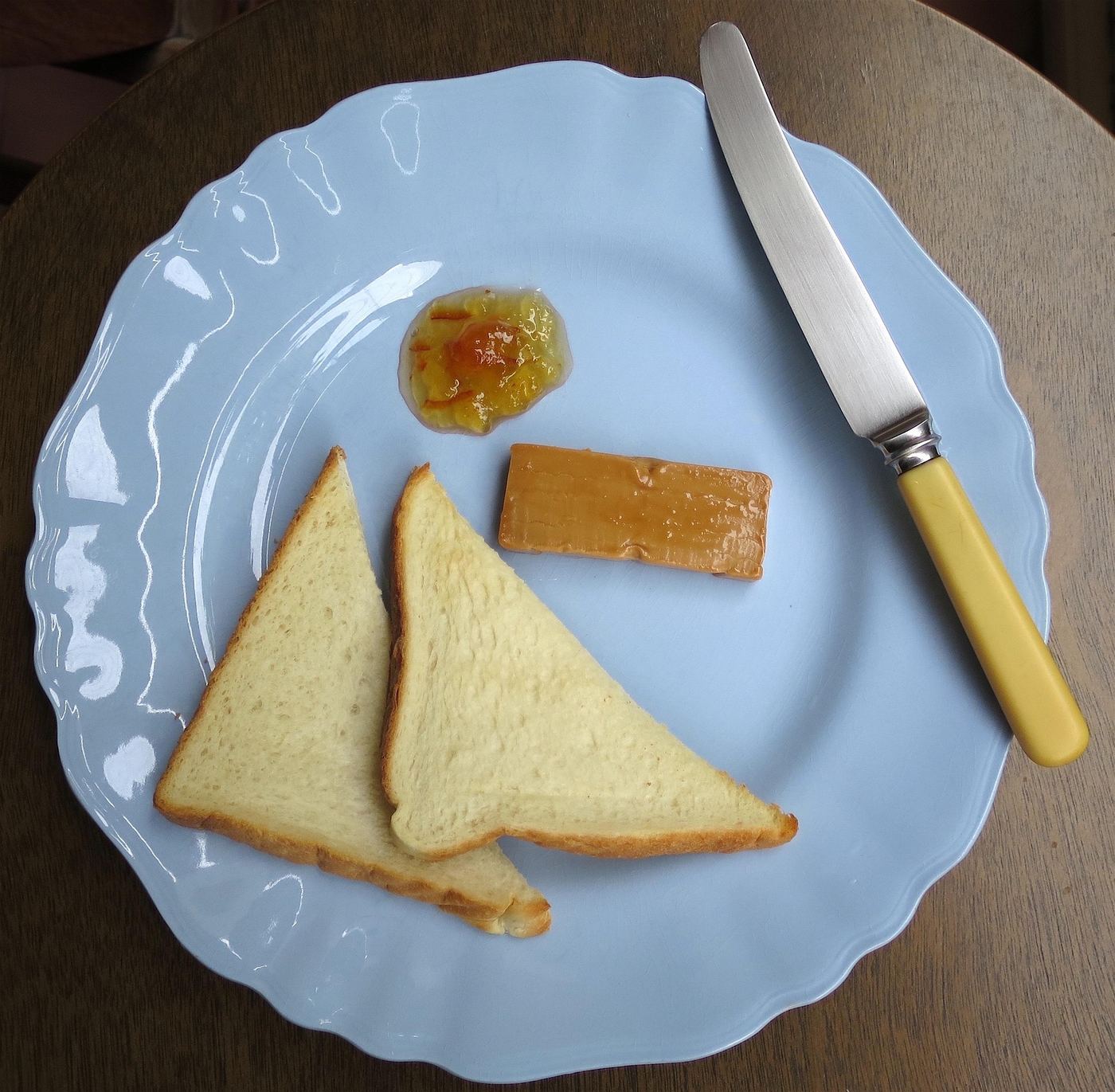
Brown cheese is one of those foods Norwegians grow up with and foreigners spend years trying to understand. It is sweet, slightly caramel-like, made from whey boiled down until the sugars brown, and it is eaten in translucently thin slices with a special cheese slicer, a Norwegian invention from 1925. Fun fact: brunost contains no cheese-making tradition from France or Italy at all. A dairy farmer’s wife from Gudbrandsdalen, Marie Havn, invented it in the 1860s, and it has been a national obsession ever since.
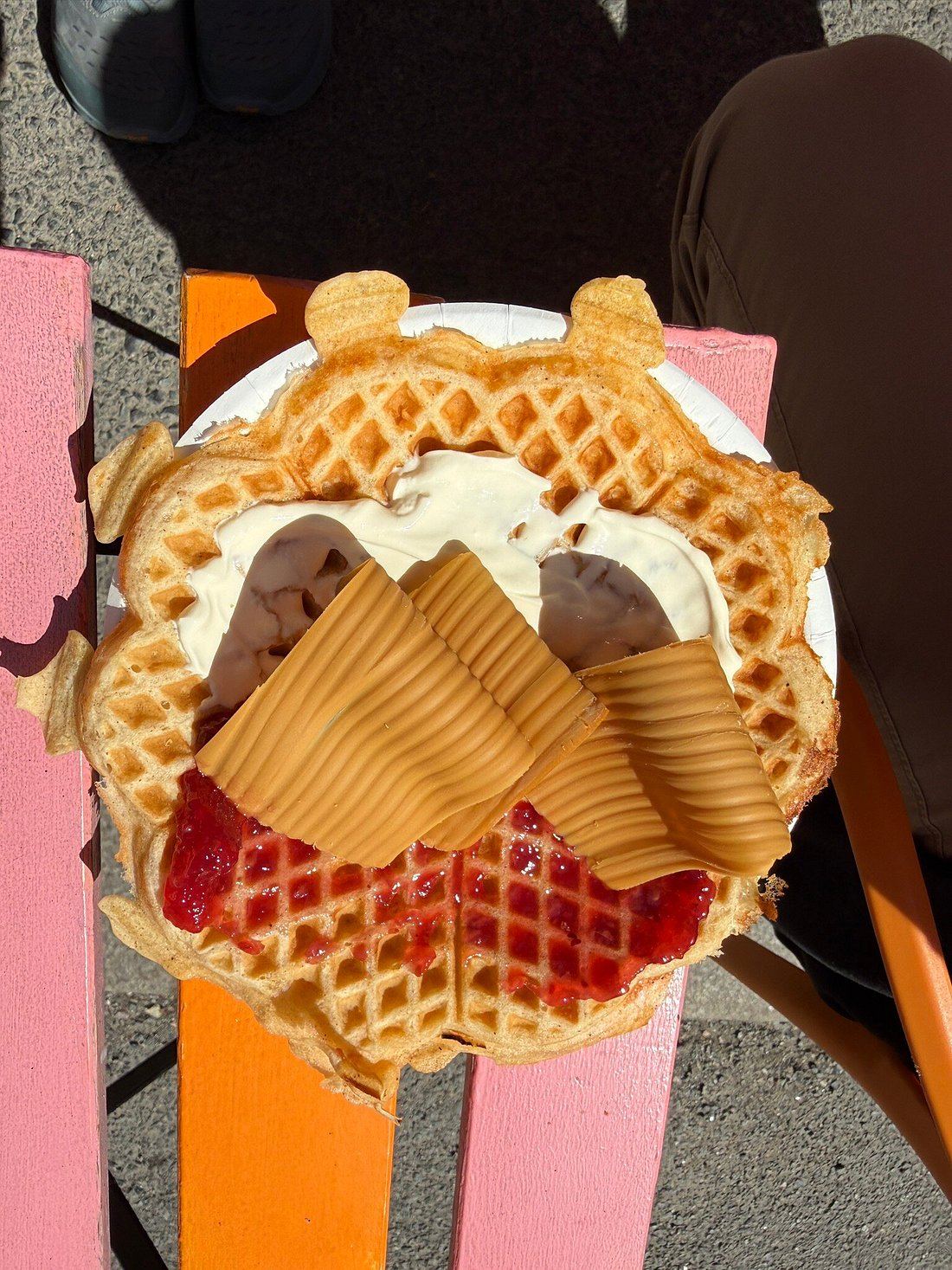
Speaking of waffles: yes, Norwegians really do eat them, and not necessarily as dessert. You will find heart-shaped waffles at cafés, sporting events, mountain cabins and family gatherings, usually served with jam, sour cream or, of course, brown cheese. There is even a word, vaffelkos, for the simple coziness of waffles and coffee.
Lunch might surprise you
If you come from a country where lunch means a hot meal, Norwegian lunch can feel almost suspiciously simple.
Meet matpakke.
The classic Norwegian packed lunch is a few open sandwiches brought from home, traditionally wrapped in paper so the slices do not stick together. It does not sound terribly exciting. It isn’t. But it might be one of the most Norwegian meals there is.
Even in offices where people could easily buy lunch, bringing bread from home is completely normal. Norway has somehow turned a sandwich in wrapping paper into a cultural institution, complete with nostalgia: ask any Norwegian about the matpakke of their childhood, and you will get a story.

Dinner happens early
Norwegian dinner, middag, often starts much earlier than visitors expect. Eating at 4 or 5 pm is not unusual, especially for families with children.
Traditional everyday dishes tend to be filling and uncomplicated. Potatoes feature heavily. So do meat, fish and vegetables: fiskekaker (fish cakes), kjøttkaker (Norwegian-style meatballs, bigger and softer than their Swedish cousins, and locals will tell you the two are not to be confused), baked or boiled fish, soups and stews.
One particularly Norwegian classic is fårikål: mutton and cabbage slowly cooked together with whole peppercorns. It does not look especially impressive, but Norwegians take it seriously enough to call it the national dish. Every year radio and newspapers host a playful national debate about the “correct” recipe, and in 2014 a giant portion of fårikål was certified as the world’s largest.
Then there is lapskaus, a simple meat-and-vegetable stew that is exactly what you want after a cold day outside. Hearty, honest, and best followed by a second helping.
Friday means tacos
Here is where the image of traditional Norwegian cuisine falls apart completely.
If you really want to understand modern Norwegian food culture, you need to know about fredagstaco: Friday tacos.
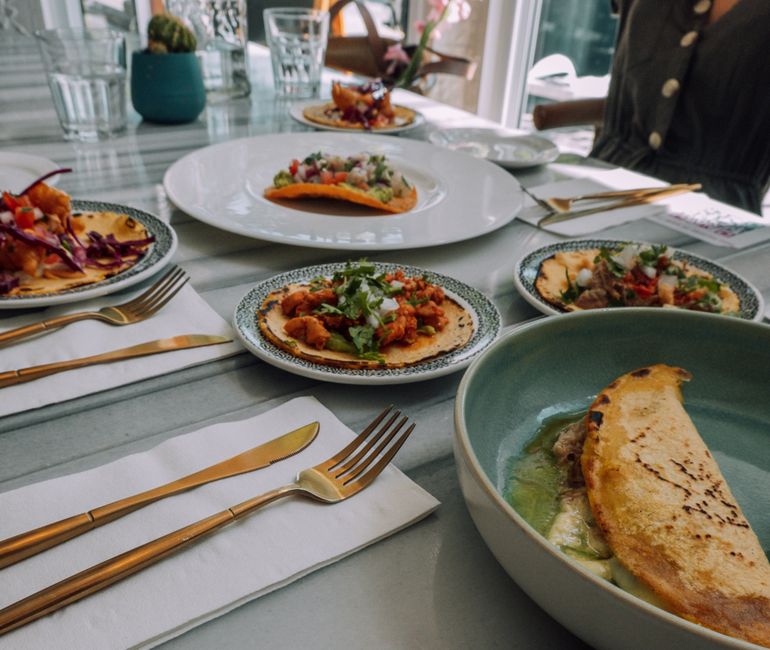
Tacos became enormously popular in Norway and eventually turned into a weekly family ritual. And we are usually not talking about particularly authentic Mexican tacos. Think minced beef with taco seasoning, hard shells or tortillas, grated cheese, lettuce, cucumber, corn, salsa and sour cream, with everything served in little bowls on the table.
Is it Mexican? Debatable. Is it Norwegian? At this point, absolutely. Studies of Norwegian shopping habits suggest that a very large share of the population eats tacos every single week, making Norway one of the most taco-loving nations on earth. Second Friday of a cabin weekend? Still tacos.
And then there’s frozen pizza
Norway also has a slightly improbable love affair with frozen pizza, particularly Grandiosa.
Mention Grandiosa to a group of Norwegians and you are unlikely to get a neutral reaction. Some will defend it with their lives. Some will make fun of it. Most have eaten a lot of it. Norwegians buy millions of frozen pizzas every year, one of the highest numbers per person in the world, and Grandiosa ads have been a fixture of Norwegian TV since the 1990s, complete with rap jingles that half the country can sing.
It may not be the dish Norway puts on tourism posters, but in terms of what people actually eat, it deserves a place in the conversation.
What about salmon?
Yes, Norwegians eat salmon.
You will find smoked salmon at breakfast tables and celebrations, and salmon is a completely normal weeknight dinner. Fish in general remains a proud part of Norwegian food culture: look at any grocery store shelf and count the caviar tubes, pickled herring jars and dried cod.
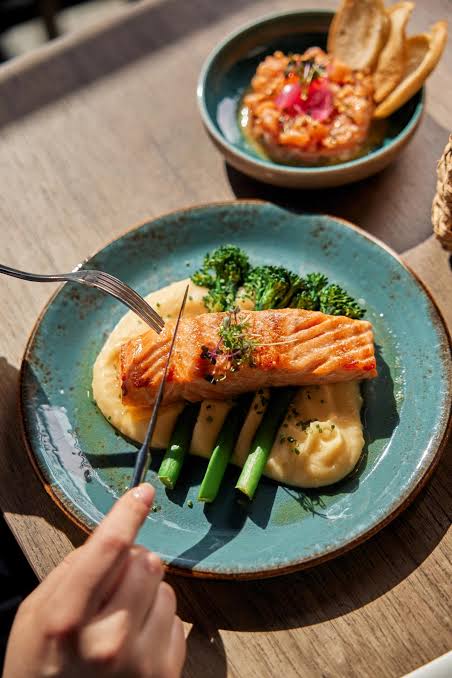
But visitors sometimes expect seafood to dominate every menu. It doesn’t. And reindeer is even less of an everyday Oslo food. It is strongly associated with Northern Norway and Sámi food traditions, and it is certainly eaten elsewhere, but the average person in Oslo is not coming home from work and cooking reindeer every night.
Norwegian food gets better when you leave the city
Some of our favourite Norwegian food traditions are not really restaurant traditions at all. They are connected to hytte life: weekends and holidays spent at cabins in the mountains or countryside.
After skiing or hiking, food tends to be simple and comforting: sausages grilled over open flame, soup, stew, waffles, hot chocolate, oranges and Kvikk Lunsj, the chocolate bar that has become almost inseparable from Norwegian outdoor life. There is even a word that explains the whole thing: turmat, food you bring on a trip. A famous Norwegian saying goes that there is no bad weather, only bad clothing. To that we would add: and no plain food tastes plain on a mountain top.
Oslo today tastes very different
Of course, modern Oslo does not live on potatoes, brown cheese and matpakke.
The city has changed enormously, and so has its food. Walk around Grünerløkka, Grønland or Tøyen and you will find everything from sourdough bakeries and specialty coffee to Vietnamese, Pakistani, Turkish, Somali and Middle Eastern food. Döner kebab and shawarma are now as much a part of Oslo lunch culture as the matpakke. That is just as much a part of what people in Oslo actually eat today as kjøttkaker.
So if you are visiting Norway: definitely try the salmon. Try brown cheese. If you see reindeer on a good menu, order it.
But also have a waffle with brunost. Buy a Kvikk Lunsj before a hike. Look inside a Norwegian supermarket. Have lunch where locals actually go.
And if someone invites you home for tacos on a Friday night, you have probably found something considerably more authentically Norwegian than another plate of smoked salmon.
Taste it for yourself
Want to eat your way through Oslo with a local? The Grünerløkka Food Tour takes you through the neighbourhoods in this story, four tasting stops included, and the Beer & Culture Walk pairs Norwegian food with local beers in historic surroundings.