
Ask a Norwegian what Christmas tastes like, and you will not hear about turkey or stuffing. You will hear about a slab of pork belly with crackling like glass, a pot of lamb steamed over birch sticks, and a glass of something warm and spiced against the December dark.
Food is the beating heart of a Norwegian jul. And the dinner on Christmas Eve, 24 December, is easily the most anticipated meal of the whole year. Here is everything on the table, and a little more.
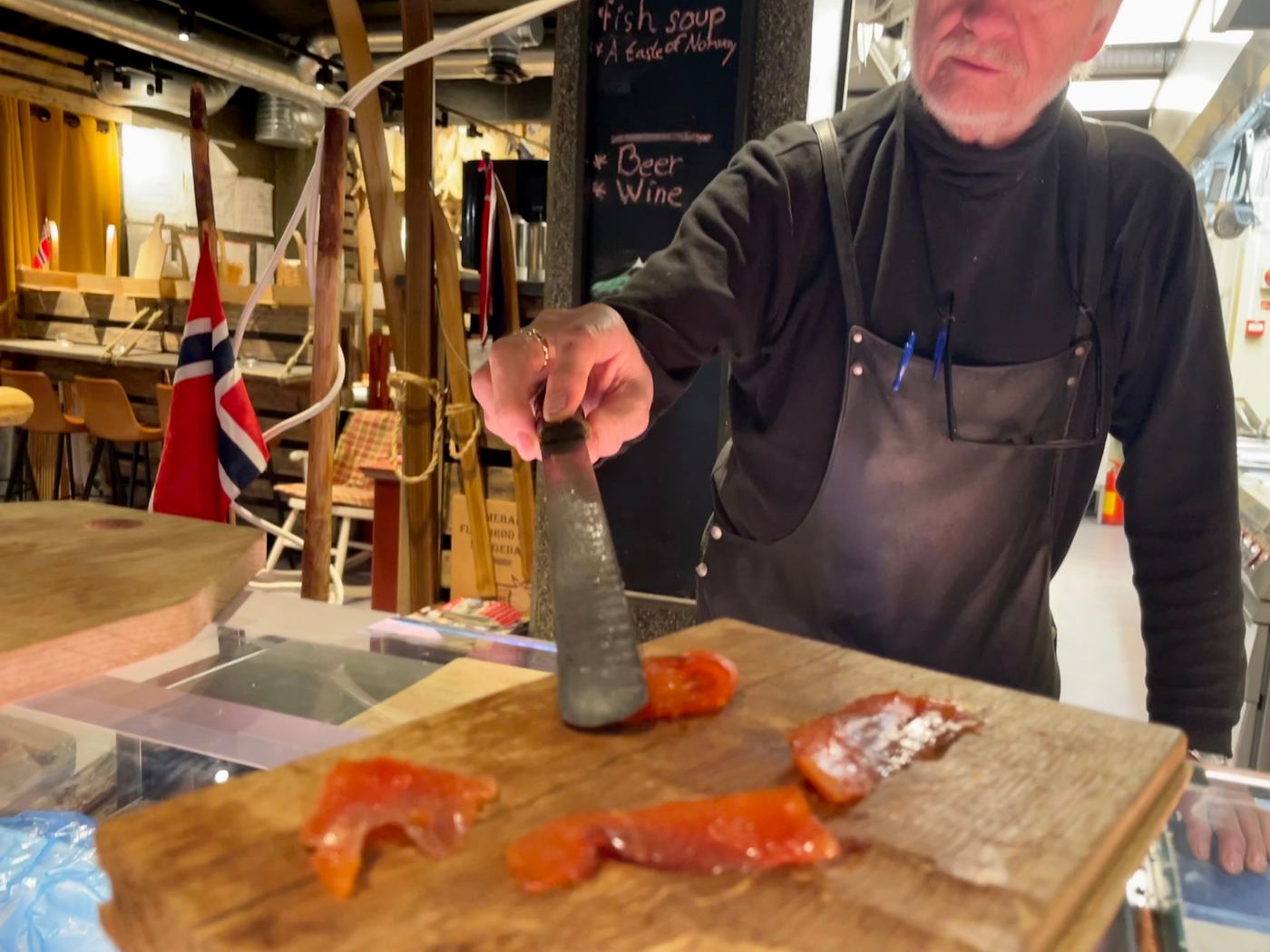
The two giants: ribbe and pinnekjøtt
All around Norway, Christmas dinner traditions differ wildly. But year after year, two dishes battle for the crown of Norway's most popular Christmas meal.
Ribbe: crispy pork belly
Fatty pork belly with a crust as crispy as they come: it is not hard to see why ribbe tops the list in Southern Norway and the greater Oslo area. It became popular at the end of the 18th century, when the potato arrived and made it practical to raise pigs, since they no longer had to compete with humans for feed. The potato, quite literally, paved the way for ribbe.
It is served with sauerkraut, red cabbage, medister sausages and potatoes, and the crackling is a point of national pride. Getting it to snap is the true test of any Norwegian host.
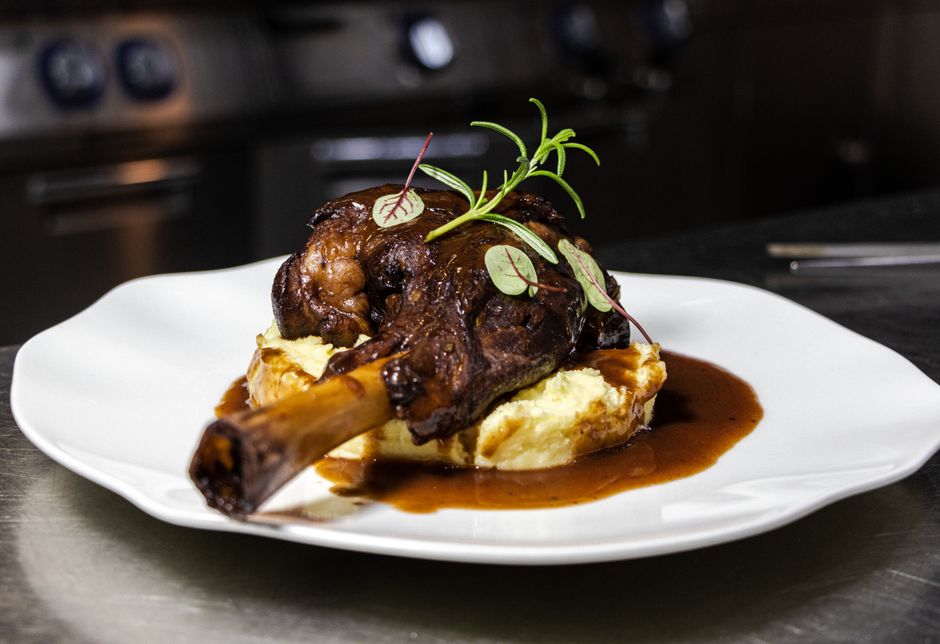
Pinnekjøtt: lamb steamed over sticks
Pinnekjøtt, literally "stick meat", is cured and dried lamb or mutton ribs, steamed over birch branches so the meat falls off the bone. The drying technique is centuries old, developed to keep meat from spoiling through the winter, and such meat was saved for the most important occasions, Christmas dinner above all.
Today it is easy to buy ready-cured, and it rules the table in Western and Northern Norway, usually served with potatoes and a thick sausage on the side.
Together, ribbe and pinnekjøtt make up around 70 percent of all Christmas Eve dinners in Norway, according to the food website Matprat. Ribbe wins in the south, pinnekjøtt in the north and west, and households are firmly, sometimes loudly, divided.
From the sea: lutefisk and friends
With a long coast and an even longer fishing tradition, it is no surprise that Norwegian Christmas food includes fish. The most famous is lutefisk: dried cod soaked in lye for several days to rehydrate it, then boiled or baked and served with butter, salt, pepper, potatoes and bacon.
Serving fish at Christmas goes back to Norway's Catholic past and the December fast. These days only a small percentage of families still put lutefisk on the Christmas Eve table, but many will eat fish at least once during the season, and the lutefisk loyalists defend their dish with missionary zeal.

The brave plates
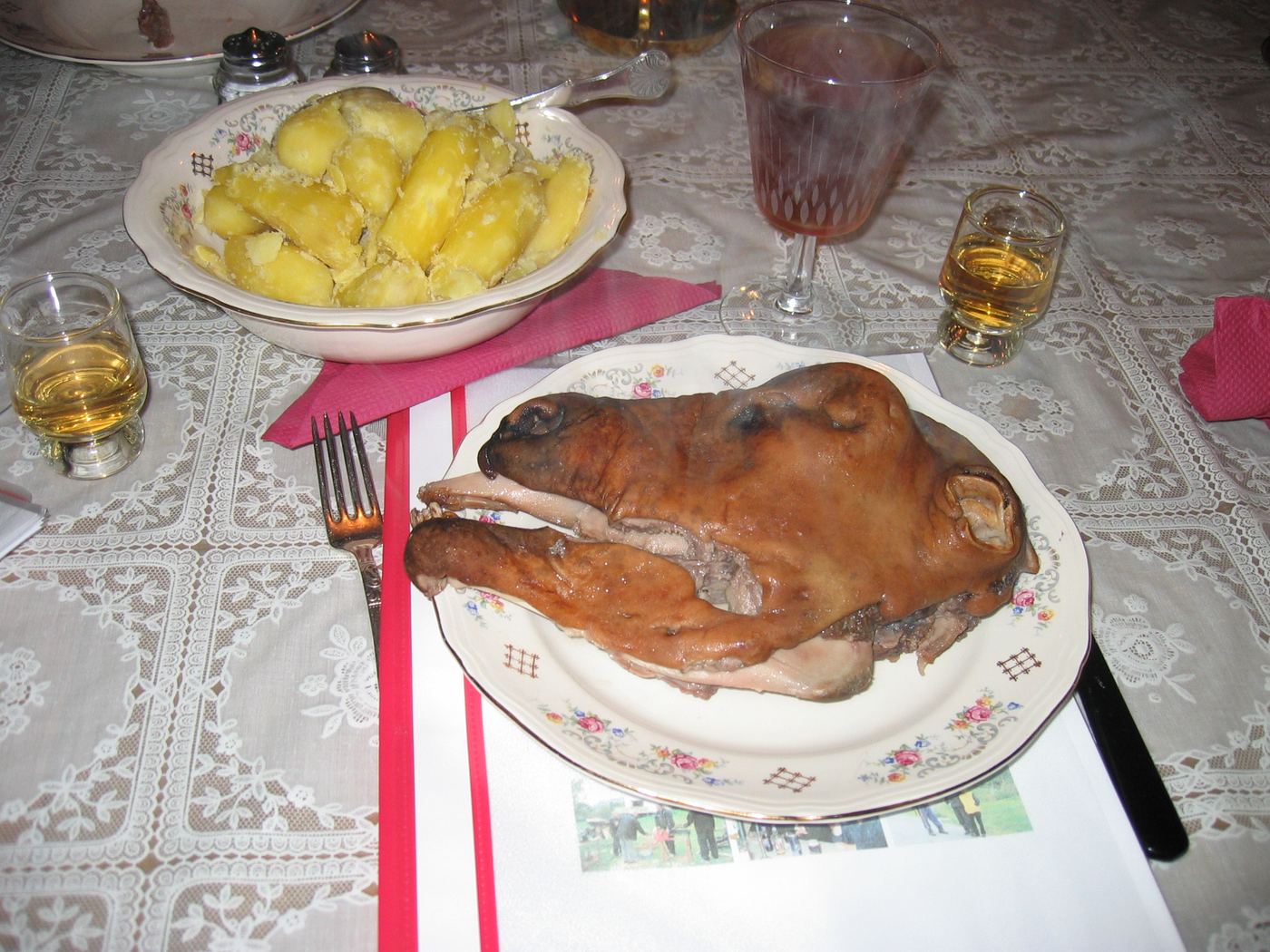
Beyond the big three sit the specialists. Smalahove is, quite literally, a sheep's head: skin and fleece torched off, the head salted and dried, then steamed or boiled. It comes from Western Norway, where it was traditionally the food of the poor. Today it is eaten mostly by enthusiasts, and a few Western Norwegian towns offer it to thrill-seeking visitors.
And then there is the dish nobody plans but everyone ends up eating at least once in December: Grandiosa, Norway's beloved frozen pizza. Since the 1980s it has wormed its way into Christmas tradition. Around the holidays, Grandiosa sells roughly 20 percent more pizzas than at any other time of year. Frozen pizza for Christmas dinner sounds like a joke. In Norway, it is a family in front of the TV on 23 December.

Something sweet at the end
No good Norwegian family dinner ends without something sweet, and December delivers a whole parade of it.
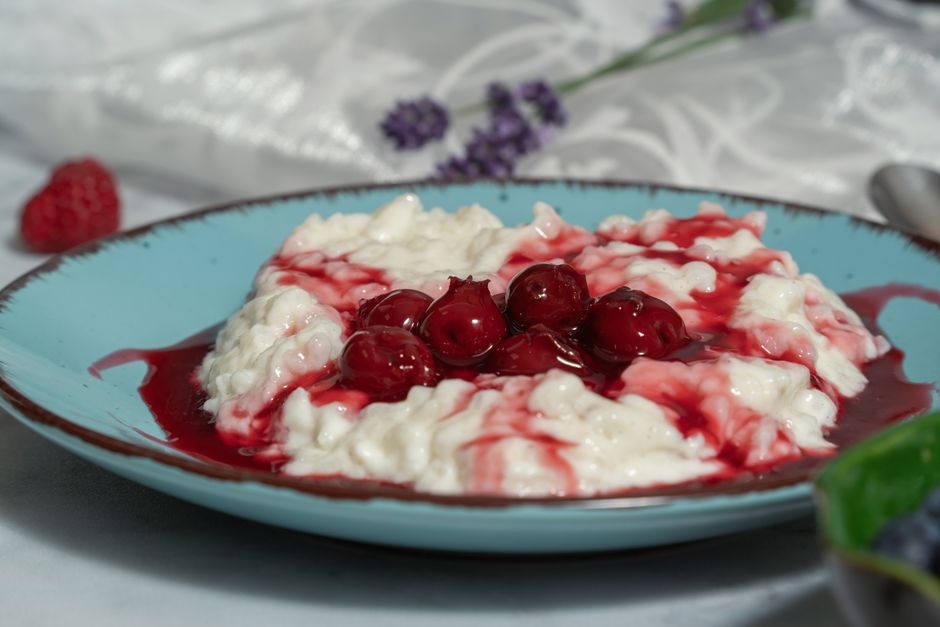
The most popular dessert is julegrøt: sweet rice pudding with whipped cream folded in, traditionally with a single hidden almond. Whoever finds it wins a marzipan pig, and considerable bragging rights. In Northern Norway, the classic instead is cloudberry cream, made from the golden berry that grows in the bogs all summer.
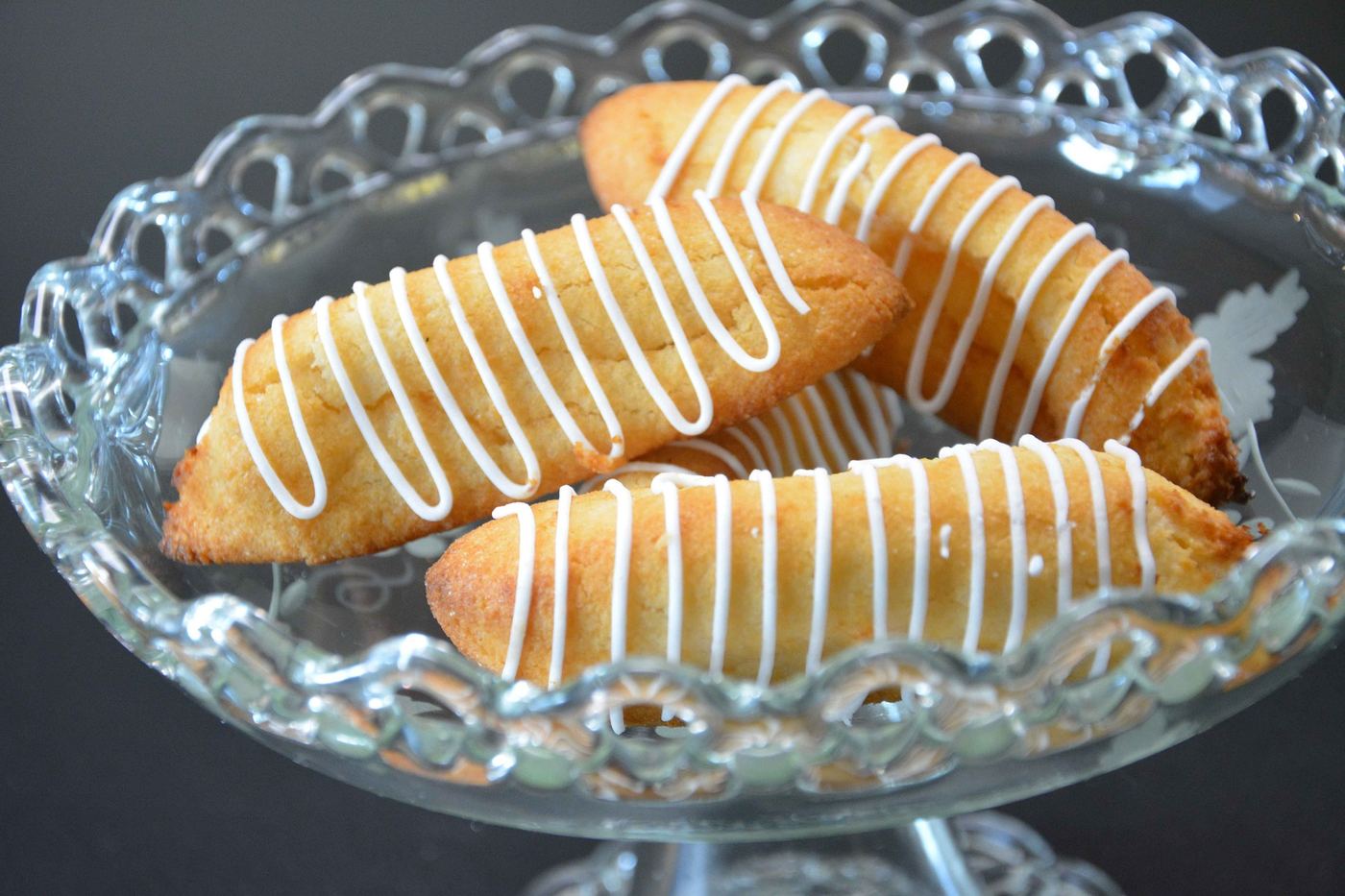
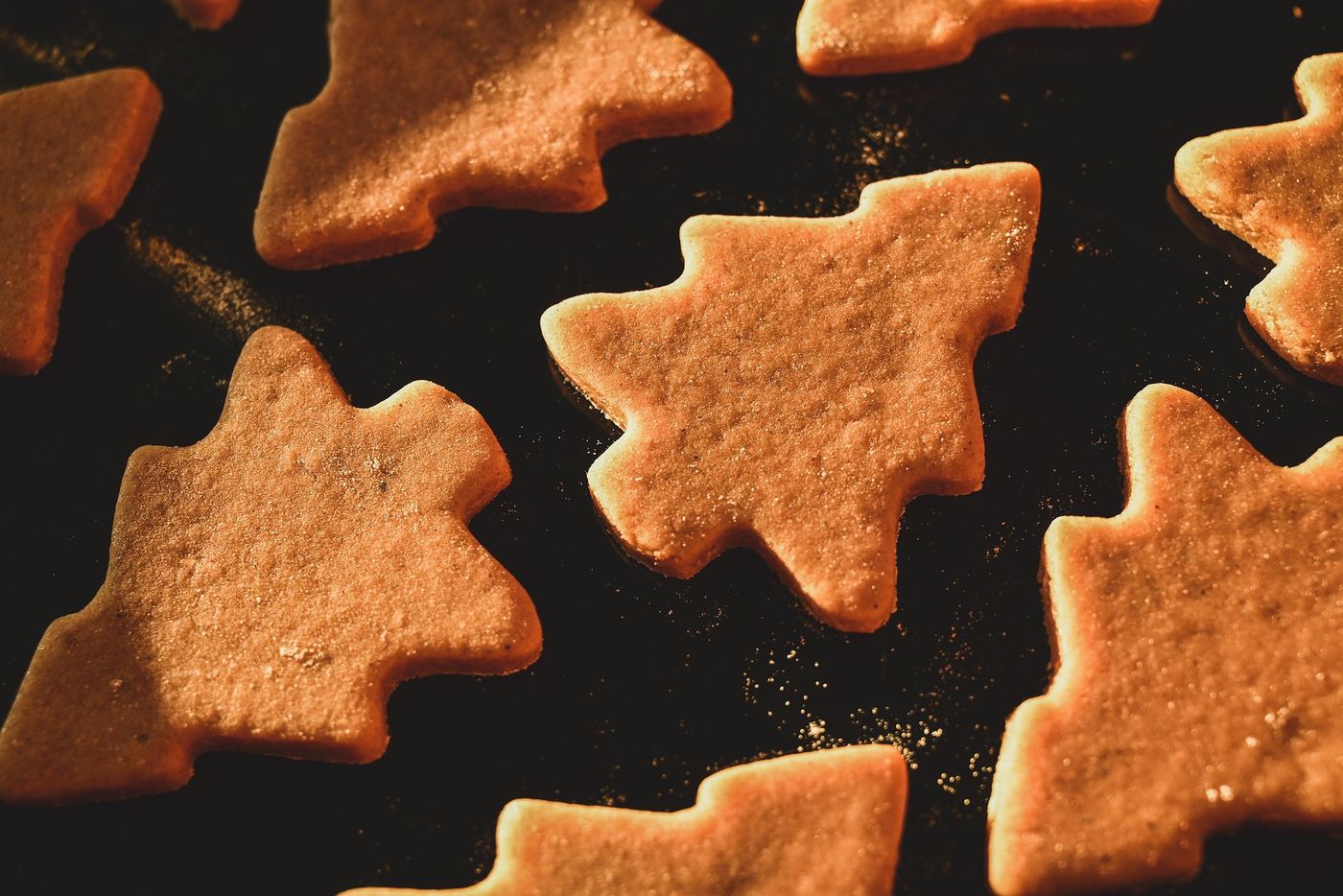
Then come the cakes and cookies: kransekake, a tower of almond cake rings; krumkake, thin spirals rolled on a special iron; and, above all, pepperkaker, the spiced gingerbread biscuits that fill every Norwegian kitchen in December. Many families build whole gingerbread houses, which stand proudly on the table until they are smashed and eaten after Christmas. The smashing is half the point.
Like it boozy? December has you covered
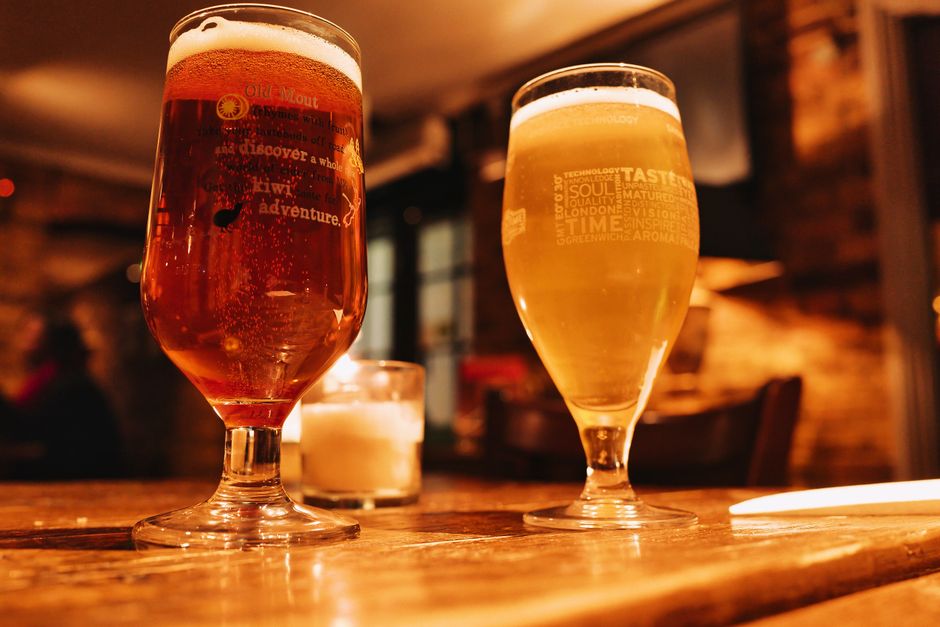
If you do, Christmas in Norway is just perfect for you. Juleøl, Christmas beer, is one of the oldest Christmas traditions in the country: Norwegians brewed strong beer for midwinter long before the country was Christianized, and the custom never left. Every brewery releases its own dark, spicy juleøl, and supermarkets dedicate whole shelves to it.
The classic dinner companion, though, is aquavit, Norway's very own potato spirit, spiced with caraway, dill or fennel. It is sipped in small glasses alongside all that fatty Christmas food, and there is always a story attached to the toast.
Gløgg, the taste of December
Last but never least: gløgg, Norway's take on mulled wine. It is made from red wine, sometimes with a splash of aquavit, simmered with sugar and spices, usually cinnamon, cloves, ginger, cardamom and bitter orange. It is served hot with almonds and raisins at the bottom of the cup, and there is always a child-friendly version made from fruit juice.
A cup of gløgg at a Christmas market, snow on your shoulders, is as Norwegian as December gets.

Taste it for yourself
If this sparked your curiosity, why not experience a Norwegian December in person? On our Julefeiring Christmas Tour you will walk festive Oslo with a local guide, hear the folklore behind the traditions, and taste gløgg and smultringer the way locals do.
Or join the Grünerløkka Food Tour to eat your way through Oslo's most creative neighbourhood, or the Beer & Culture Walk for a proper aquavit-and-beer evening in a historic tavern. Whether winter or summer, Norway is always worth a visit, no matter the season.
God jul, and see you in Oslo. 🎄